


Organised by VIT Bhopal University, INSPIRE-STEMAL-2027 brings together leading scholars, researchers, and practitioners to engage in critical conversations on the future of Innovative and Sustainable Artificial Intelligence (AI) practices in Research and Education.
The International Conference on Innovative and Sustainable AI Systems for Research and Education in STEMAL (INSPIRE-STEMAL-2027), to be held on 4–6 February 2027, aims to foster interdisciplinary dialogue on the transformative role of Artificial Intelligence (AI) across Science, Technology, Engineering, Mathematics, and Applied Linguistics (STEMAL). As AI increasingly reshapes Research Methodologies, Educational Practices, and Language-Mediated Communication, it presents both unprecedented opportunities and significant ethical and societal challenges.
The conference seeks to advance scholarly engagement with innovative, ethical, and sustainable AI-driven approaches that enhance Research Excellence, Pedagogical Effectiveness, Learner Engagement, Language and Communication Practices, and Interdisciplinary Knowledge Production. Emphasis is placed on Responsible AI Development, Methodological Rigour, and Human-Centred Applications across technical and language-focused domains.
INSPIRE-STEMAL-2027 will feature Keynote Addresses, Plenary Sessions, Peer-Reviewed Paper Presentations, Panel Discussions, Hands-on Workshops, and a Doctoral Colloquium, providing a vibrant international platform for intellectual exchange, professional development, and collaborative engagement.
We are delighted to announce that the proceedings of INSPIRE-STEMAL-2027 have been officially accepted for publication by Springer under the prestigious series “Advances in Computer Science Applications and Research”. This internationally recognised series publishes state-of-the-art research spanning the entire spectrum of informatics — from foundational computing theory to cutting-edge applied research.
View Springer SeriesSelected and registered papers from INSPIRE-STEMAL-2027 will be considered for publication in Springer's "Advances in Computer Science Applications and Research" series. Papers must meet the quality and originality standards set by the respective journal partners. Further details regarding the publication process will be announced in due course.
We are thrilled to announce that the proceedings of INSPIRE-STEMAL-2027 have been officially accepted by Springer for publication under the series "Advances in Computer Science Applications and Research". This is a major milestone for the conference, ensuring global visibility and reach for all accepted papers.
View Springer SeriesTo recognise outstanding scholarly contributions, INSPIRE 2026 will present: Best Paper Award (across thematic tracks), Best Poster Presentation Award, and Best Doctoral Colloquium Paper Award — honouring originality, innovation, and academic merit.
Selected papers from INSPIRE-STEMAL-2027 will be considered for publication in Springer proceedings and partner journals.
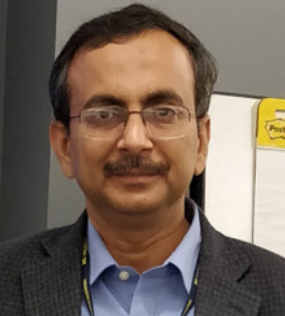
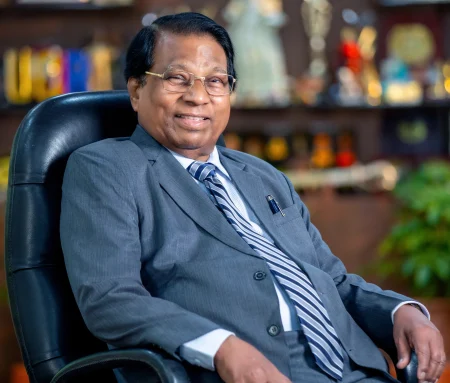
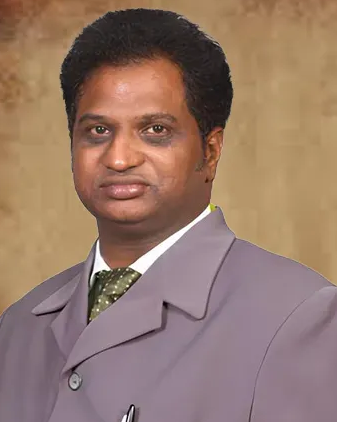
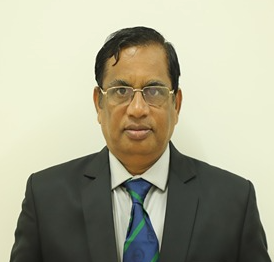
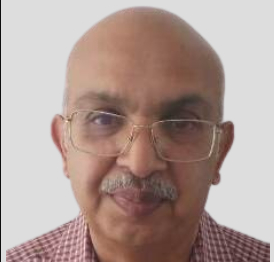
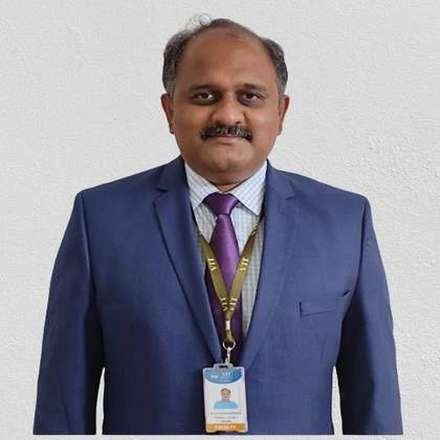
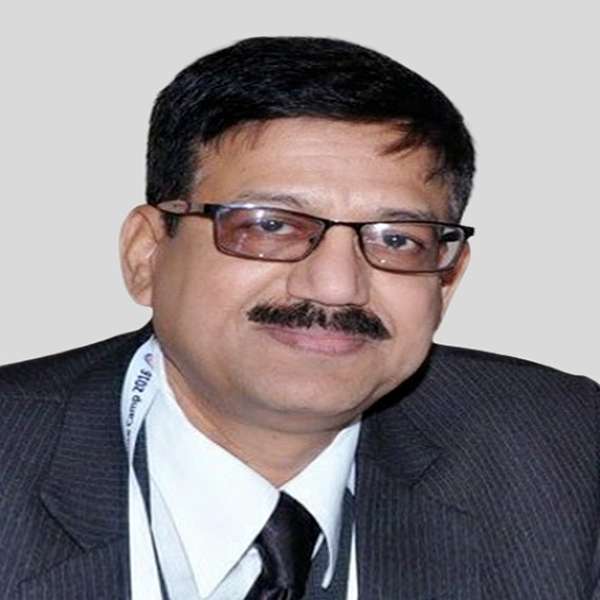
We are excited to announce our distinguished keynote speakers: Prof. Mirza Mohd. Sufyan Beg (AMU), Prof. Omar Farooq (AMU), Prof. Girish Nath Jha (JNU), and Dr. Dharavath Ramesh (IIT Dhanbad).
The INSPIRE-STEMAL-2027 Committee invites submissions of original unpublished research papers presenting novel findings, conceptual contributions, empirical studies, and practice-based insights across the conference's seven thematic tracks in Science, Technology, Engineering, Mathematics, and Applied Linguistics (STEMAL). The conference also features a dedicated Doctoral Colloquium for research scholars at advanced stages of their doctoral journey.
Topics include Artificial Intelligence (AI), Machine Learning, Deep Learning, Data Science, Intelligent Systems, Explainable AI, Sustainable AI Architectures, Predictive Analytics, Intelligent Automation, Edge AI, Distributed AI Systems, and AI-driven Interactive and Immersive Computing Frameworks, with applications across interdisciplinary STEMAL domains.
Focuses on Intelligent Learning Systems, Learning Analytics, Educational Data Mining, AI-assisted Assessment Technologies, Adaptive and Personalized Learning Systems, AI Literacy, and AI-supported Immersive and Gamified Learning Environments (including AR/VR/XR). The track particularly encourages computational, analytical, modelling-driven, and system-oriented approaches to AI-enabled educational ecosystems, including intelligent tutoring systems, educational recommendation systems, and human-AI interaction in learning environments.
Covers Computational Linguistics, Natural Language Processing (NLP), Speech and Language Technologies, Conversational AI, Large Language Models (LLMs), Multilingual AI Systems, AI-supported Language Learning, Intelligent Communication Systems, Language Modelling, Computational Discourse Analysis, and Technology-enhanced and Immersive Language Learning Environments.
Emphasises the role of Mathematics, Statistics, and Foundational Sciences in AI Modelling, Computational Simulation, Data Interpretation, Optimization Algorithms, Statistical and Probabilistic Learning, Numerical Methods, Scientific Computing, and Theoretical Foundations for Intelligent Systems across interdisciplinary research domains.
Addresses AI applications in Healthcare Systems, Biomedical Signal Processing, Diagnostics, Health Informatics, Medical Imaging, Intelligent Clinical Decision-support Systems, Computational Healthcare Analytics, and Simulation- and VR-supported Medical Training and Healthcare Environments, with a focus on sustainable, trustworthy, and ethically responsible AI practices.
Explores AI-enabled Research Analytics, Knowledge Systems, Scientometrics, Knowledge Graphs, Automated Knowledge Extraction, Scholarly Communication Systems, Information Retrieval, AI-assisted Scientific Writing Tools, Digital Research Ecosystems, and Intelligent Decision-support Systems for research, innovation, and organizational knowledge management. The track encourages computational and data-driven approaches to AI-supported research infrastructures and scholarly ecosystems.
Examines Explainable AI (XAI), Responsible Machine Learning, AI Governance, Ethical and Sustainable AI Systems, Fairness and Bias Mitigation, AI Policy Frameworks, Human-centered AI, AI Risk Assessment, Robust and Transparent AI Systems, Digital Well-being, and Societal Implications of AI-driven Intelligent Technologies in research, education, healthcare, and professional practice.
Provides a dedicated forum for PhD scholars and early-career researchers to present ongoing doctoral work, receive expert mentorship, and engage in critical scholarly dialogue. Submissions should clearly present the research problem, theoretical framework, methodology, preliminary findings, and anticipated contributions in AI, intelligent systems, computational modelling, and interdisciplinary AI-related domains. The colloquium welcomes computationally grounded and work-in-progress research from across STEMAL disciplines and emerging AI application areas.
All papers must be written in English and formatted according to the Author Instructions. Submissions should be made via the EasyChair system. All submissions will undergo a rigorous Double-Blind Peer Review process.
Selected and registered papers from INSPIRE-STEMAL-2027 will be considered for publication by Springer under the series "Advances in Computer Science Applications and Research" (link.springer.com/series/60219) Papers must meet the quality and originality standards set by the respective publisher. Submission does not guarantee acceptance; all submissions will undergo an independent peer-review process by the respective publisher.
Please ensure your submission complies with the following guidelines to avoid desk rejection.
Papers must be prepared using the standard Springer format. The maximum page limit is 12 pages, including references. Ensure that all figures, tables, and equations are clearly readable and properly cited.
INSPIRE-STEMAL-2027 strictly employs a Double-Blind Peer Review process. Each submitted manuscript will be evaluated by at least three independent domain experts from our international Technical Program Committee. Reviewers will assess the paper based on originality, technical soundness, clarity, and relevance to the conference themes. Please remove all author names and affiliations from the initial PDF submission.
The conference is committed to the highest standards of publication ethics and follows the guidelines set by the Committee on Publication Ethics (COPE). We strictly prohibit data fabrication, manipulated citations, and redundant publications. All submissions will be rigorously screened using Turnitin. Similarity scores above 20% will result in automatic desk rejection without review.
To maintain the highest academic standards and align with international publishing norms, the organizing committee aims to maintain a highly competitive acceptance rate. Only submissions demonstrating significant scientific contribution and high-quality presentation will be accepted for publication.

Professor
Department of
Computer Engineering,
Aligarh Muslim University, India
Prof. Mirza Mohd. Sufyan Beg is Professor in the Department of Computer Engineering at Aligarh Muslim University, India. He previously served as Chairman of the Department and Principal of Zakir Husain College of Engineering and Technology, AMU, and also held leadership positions at Jamia Millia Islamia, New Delhi. He completed his PhD from IIT Delhi, M.Tech. from IIT Kanpur, and postdoctoral research at the University of California, Berkeley, USA. His expertise includes Artificial Intelligence, Natural Language Processing, Question Answering Systems, Web Mining, Fuzzy Logic, Genetic Algorithms, High Performance Data Mining, and Parallel Computing. He has supervised doctoral research in sentiment analysis, multilingual information extraction, and mixed-script query processing. He is a Senior Member of IEEE, Fellow of the Institution of Engineers India, and recipient of several awards for excellence in engineering, research, innovation, and academic leadership.
Prof. Beg’s expertise in AI, NLP, intelligent information systems, and data mining aligns strongly with the themes of INSPIRE-STEMAL-2027. His keynote will provide valuable perspectives on AI-enabled research methodologies, computational linguistics, intelligent systems, and interdisciplinary innovation, benefiting researchers, faculty members, doctoral scholars, and students interested in AI, STEM education, and digital transformation.
Prof. Omar Farooq is Professor in the Department of Electronics Engineering at Aligarh Muslim University, India, where he has served since 1992. He earned his B.Sc. and M.Sc. Engineering degrees from AMU and completed his PhD from Loughborough University, United Kingdom, as a Commonwealth Scholar. He also pursued postdoctoral research under the UKIERI Fellowship programme. His research expertise includes Signal Processing, Speech Recognition, Biomedical Signal Processing, Intelligent Systems, and Applied Computational Technologies. He has authored more than 290 research publications in reputed journals and international conferences and has supervised twelve doctoral scholars. He is a Fellow of the Acoustical Society of India and the Institution of Electronics and Telecommunication Engineers and a Senior Member of IEEE. His academic and research contributions have established him as a distinguished scholar in signal processing and intelligent communication systems.
Prof. Farooq’s expertise in Speech Recognition, Signal Processing, and Intelligent Computational Systems aligns strongly with the interdisciplinary focus of INSPIRE-STEMAL-2027, particularly in Artificial Intelligence, Human-Centred Technologies, and Digital Communication. His keynote will offer valuable insights into AI-enabled signal processing, speech technologies, biomedical applications, and intelligent communication systems, benefiting researchers, faculty members, industry professionals, and students interested in AI-driven innovation and advanced computational methodologies.
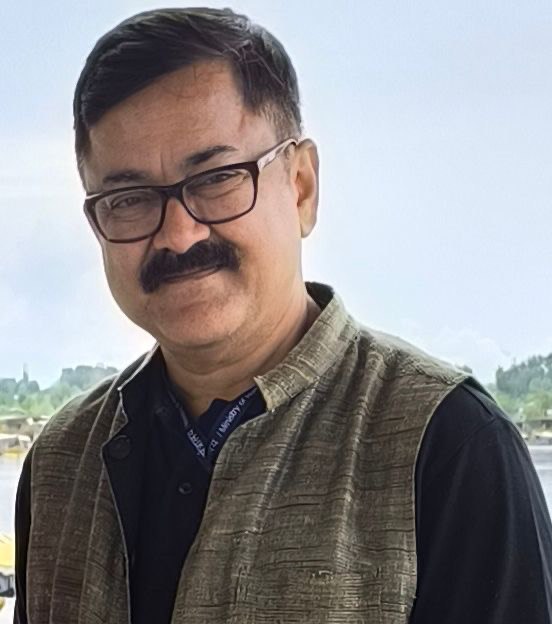
Professor
School of Sanskrit
and Indic Studies
Jawaharlal Nehru
University, India
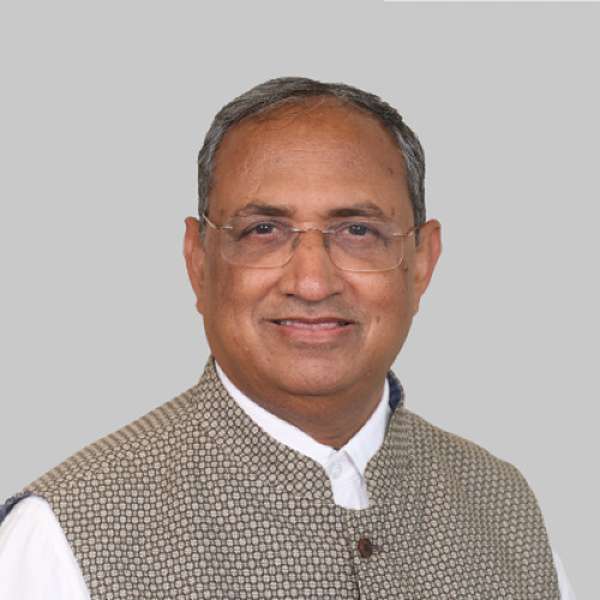
Prof. Girish Nath Jha is Professor of Computational Linguistics at Jawaharlal Nehru University, India, in the School of Sanskrit and Indic Studies. He completed his M.A., M.Phil., and Ph.D. in Linguistics from JNU and pursued advanced studies in Natural Language Interface at the University of Illinois, Urbana-Champaign, USA. His expertise includes Computational Linguistics, Artificial Intelligence, Natural Language Processing, Machine Translation, Digital Humanities, Computational Lexicography, and Indian Language Technologies. He previously served as Chairman of the Commission for Scientific and Technical Terminology (CSTT), Ministry of Education, Government of India, and has led major initiatives related to machine translation, language corpora, software localization, and AI-enabled language technologies. He has collaborated with organizations including Google, Microsoft Research, CDAC, and the Linguistic Data Consortium, supervised more than fifty doctoral scholars, and published extensively in computational linguistics and multilingual technologies. He has also served in several academic leadership roles at JNU, including Dean and Director of International Collaboration.
Prof. Jha’s expertise in Computational Linguistics, Artificial Intelligence, Machine Translation, and Indian Language Technologies aligns strongly with the themes of INSPIRE-STEMAL-2027. His keynote will provide valuable insights into AI-driven language technologies, multilingual systems, digital transformation in education, and interdisciplinary computational research, benefiting researchers, educators, doctoral scholars, and students interested in ethical AI, linguistic technologies, and sustainable digital innovation.
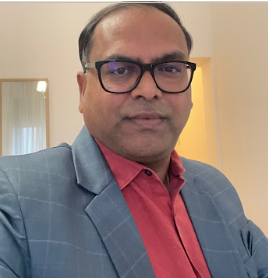
Associate Professor
Department of
Computer Science and Engineering,
Indian Institute of Technology (ISM) Dhanbad,
India
Dr. Dharavath Ramesh is Associate Professor in the Department of Computer Science and Engineering at IIT (ISM) Dhanbad, India. With more than 15 years of academic and research experience, he has developed expertise in Distributed Systems, Cloud Computing, Blockchain Technology, Machine Learning, Big Data Analytics, and Cloud Security. His research focuses on scalable, intelligent, and secure computational solutions with applications in agriculture, healthcare, and digital infrastructure. He has led and contributed to funded projects supported by SERB, MeitY, and the PMU Cybersecurity Center, Saudi Arabia. His scholarly contributions include multiple patents and more than ninety research publications in reputed venues including IEEE, ACM, Elsevier, and Springer. He has also held international visiting and collaborative positions with the University of Aberdeen, Warsaw University of Technology, and the University of Southampton. Dr. Ramesh is a Senior Member of IEEE and ACM and actively contributes to doctoral supervision, executive training, and interdisciplinary research in emerging technologies.
Dr. Ramesh’s expertise in Distributed Computing, Blockchain, Machine Learning, Cloud Technologies, and Big Data Analytics aligns strongly with the interdisciplinary and innovation-driven objectives of INSPIRE-STEMAL-2027. His keynote will provide valuable insights into AI-enabled systems, cloud and distributed architectures, blockchain applications, and data-driven innovation, benefiting researchers, faculty members, doctoral scholars, and students interested in digital transformation, sustainable computing, and next-generation AI technologies.
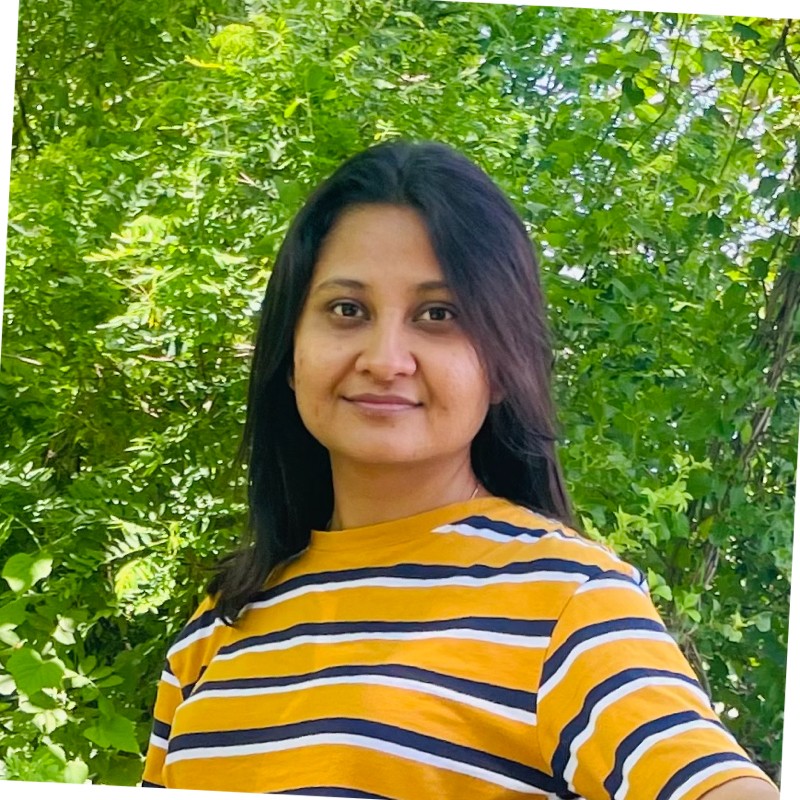
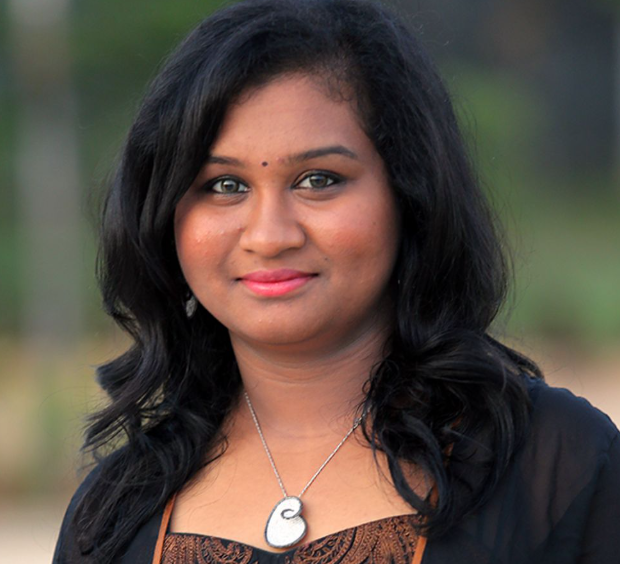
Dr. Muskan Garg is a Research Associate with an academic rank equivalent to Assistant Professor in the Department of Artificial Intelligence and Informatics at Mayo Clinic, Rochester, Minnesota, USA. Her research lies at the intersection of Clinical Natural Language Processing, Healthcare Informatics, Social Media Analytics, and Network Science, focusing on extracting psychosocial and quality-of-life insights from health-related data. Her work emphasizes translational and explainable AI applications in aging, depression, cognitive impairment, mental health, and wellness modeling. She is actively engaged in interdisciplinary collaborations developing interpretable, explainable, and resource-efficient NLP models for real-world clinical deployment. Her research addresses challenges related to data sparsity, privacy, model transparency, and low-resource language processing. She has published extensively in reputed venues including ACL, LREC, Expert Systems with Applications, Frontiers in Artificial Intelligence, ACM Transactions, and the Journal of Biomedical Informatics. Her research interests include explainable AI, mental health analytics, conversational AI safety, wellness modeling, and biomedical informatics.
As a panelist speaker at INSPIRE-STEMAL-2027, Dr. Garg will contribute valuable interdisciplinary perspectives on Explainable Artificial Intelligence, Healthcare Informatics, Clinical NLP, and Human-Centred Digital Technologies. Her expertise aligns strongly with the conference themes related to ethical AI, sustainable AI practices, healthcare innovation, and socially impactful computational research. Her participation will provide participants with important insights into responsible AI systems, mental health analytics, interpretable healthcare technologies, and scalable language models for real-world applications, benefiting researchers, faculty members, industry professionals, and students interested in AI-driven healthcare and sustainable digital innovation.
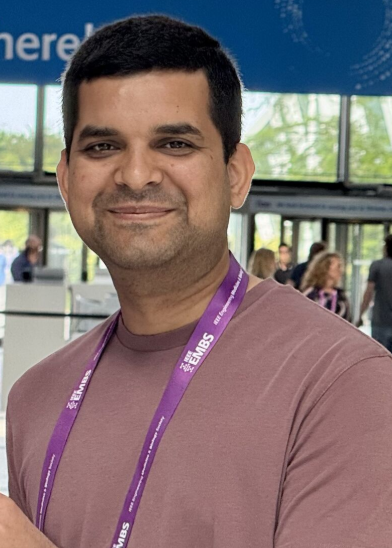
Dr. Neelesh Kumar is Senior Scientist at Procter & Gamble, Cincinnati, Ohio, USA, where he develops multimodal Artificial Intelligence algorithms integrating sensors, computer vision, and biological omics data to understand consumer behaviour and support product innovation. He earned his PhD in Computer Science from Rutgers University, USA, under the supervision of Prof. Konstantinos Michmizos, specializing in brain-inspired computing, robotics, and neuromorphic intelligence. His research focuses on neurophysiologically interpretable deep neural networks, EEG-based Brain Computer Interfaces, spiking neural networks, intelligent robotics, explainable AI, and adaptive machine learning systems. His work bridges biological intelligence and computational systems with emphasis on energy-efficient AI architectures and biologically inspired learning algorithms. He has published in leading international venues including NeurIPS, IROS, CoRL, ICRA, IEEE Biorob, and Transactions on Machine Learning Research. His research contributions include EEG-based movement prediction, adaptive rehabilitation robotics, and reinforcement learning using spiking neural networks.
As a panelist speaker at INSPIRE-STEMAL-2027, Dr. Kumar will contribute valuable perspectives on Brain-Inspired Computing, Neuromorphic AI, Explainable Machine Learning, and Intelligent Robotics. His expertise aligns strongly with the conference themes related to sustainable AI, energy-efficient intelligent systems, human-centred AI, and next-generation computational technologies. His participation will benefit researchers, faculty members, industry professionals, and students by providing insights into biologically inspired AI systems, adaptive robotics, and emerging directions in advanced AI-driven innovation across STEM and applied learning domains.
Mr. Fahim Mohammad is a Senior AI and Machine Learning Scientist with more than 11 years of experience in developing and scaling deep learning and Generative AI models for enterprise applications. His expertise covers the full lifecycle of AI engineering, including research, optimization, deployment, and production-scale implementation of intelligent systems. His work focuses on fine-tuning foundation models, developing multimodal AI solutions, and designing end-to-end Generative AI workflows for enterprise environments. He has extensive experience in machine learning, distributed model training, AI benchmarking on Intel hardware, and large-scale sensor and time-series data analysis. He has pursued advanced professional training in Machine Learning, Deep Learning, Neural Networks, Sequence Models, Statistical Learning, and Retrieval-Augmented Generation through institutions and platforms including Stanford University, Coursera, and Udemy. He has also contributed to AI optimization strategies for Intel Xeon processors with applications in Natural Language Processing, recommendation systems, anomaly detection, video analytics, and scalable AI infrastructure.
As an Industry Speaker at INSPIRE-STEMAL-2027, Fahim Mohammad will contribute valuable industry-oriented perspectives on Generative AI, Deep Learning, Enterprise AI Systems, and scalable intelligent infrastructure. His expertise aligns strongly with the conference themes related to applied AI systems, multimodal learning, AI workflow optimization, and sustainable digital transformation. In addition to his expert session, he will conduct hands-on workshops on Generative AI workflows and practical AI implementation strategies, benefiting researchers, faculty members, industry professionals, and students interested in real-world AI engineering, large language model optimization, and enterprise-scale intelligent systems.
The detailed programme schedule for INSPIRE-STEMAL-2027
will be published here soon.
Coming Soon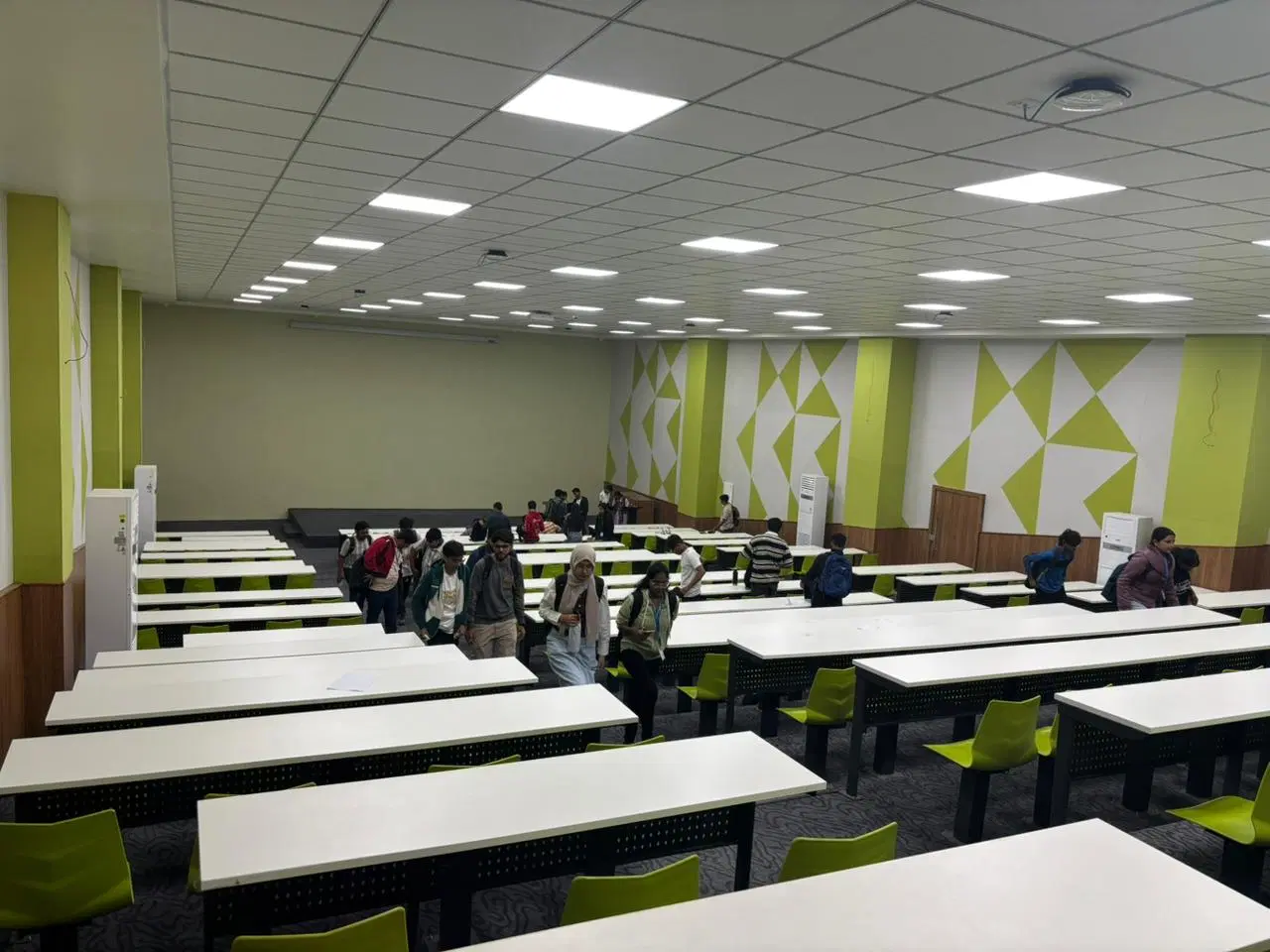
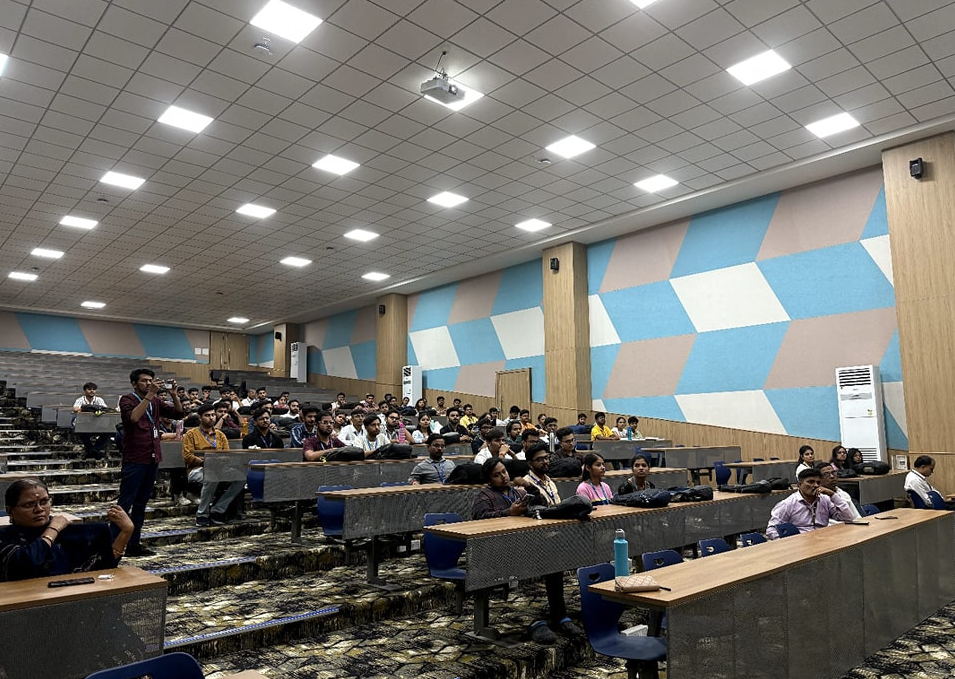
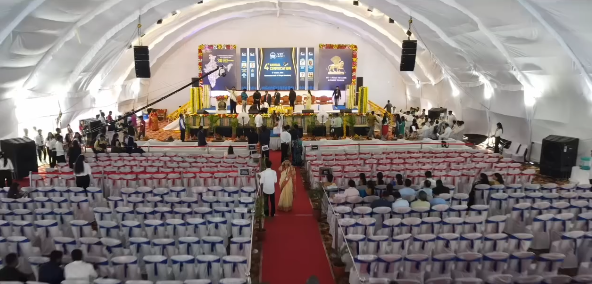
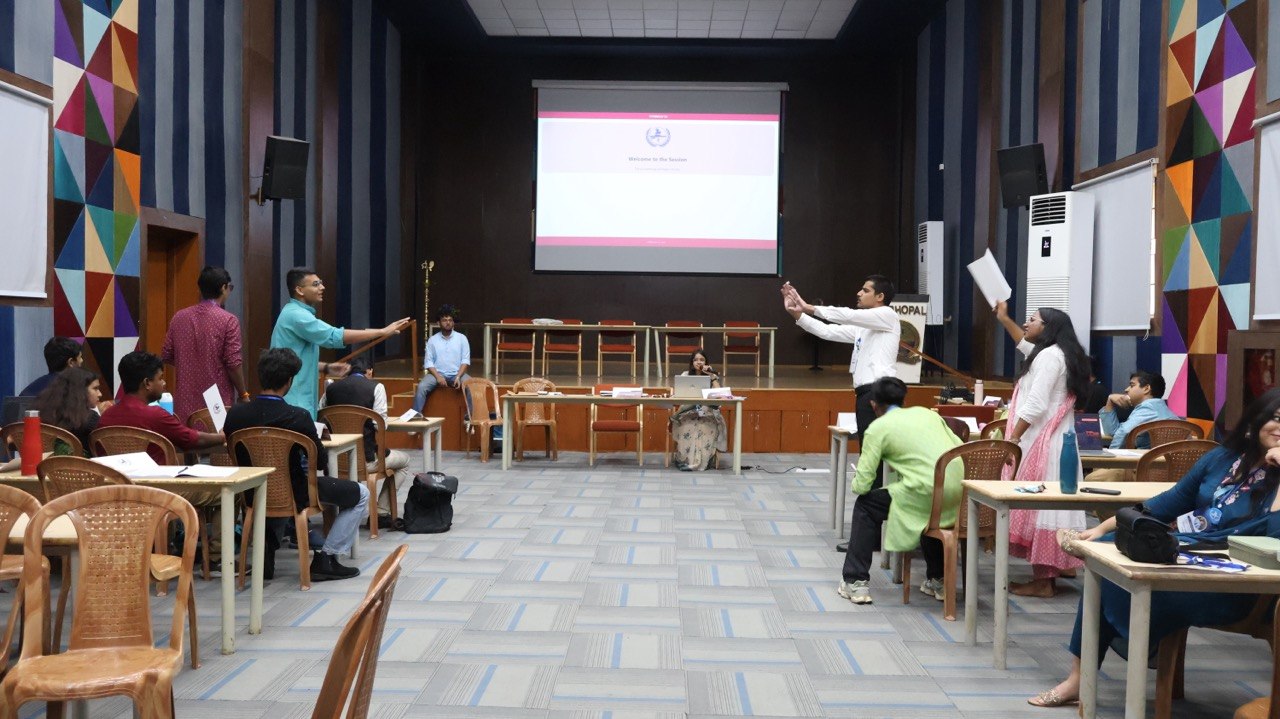
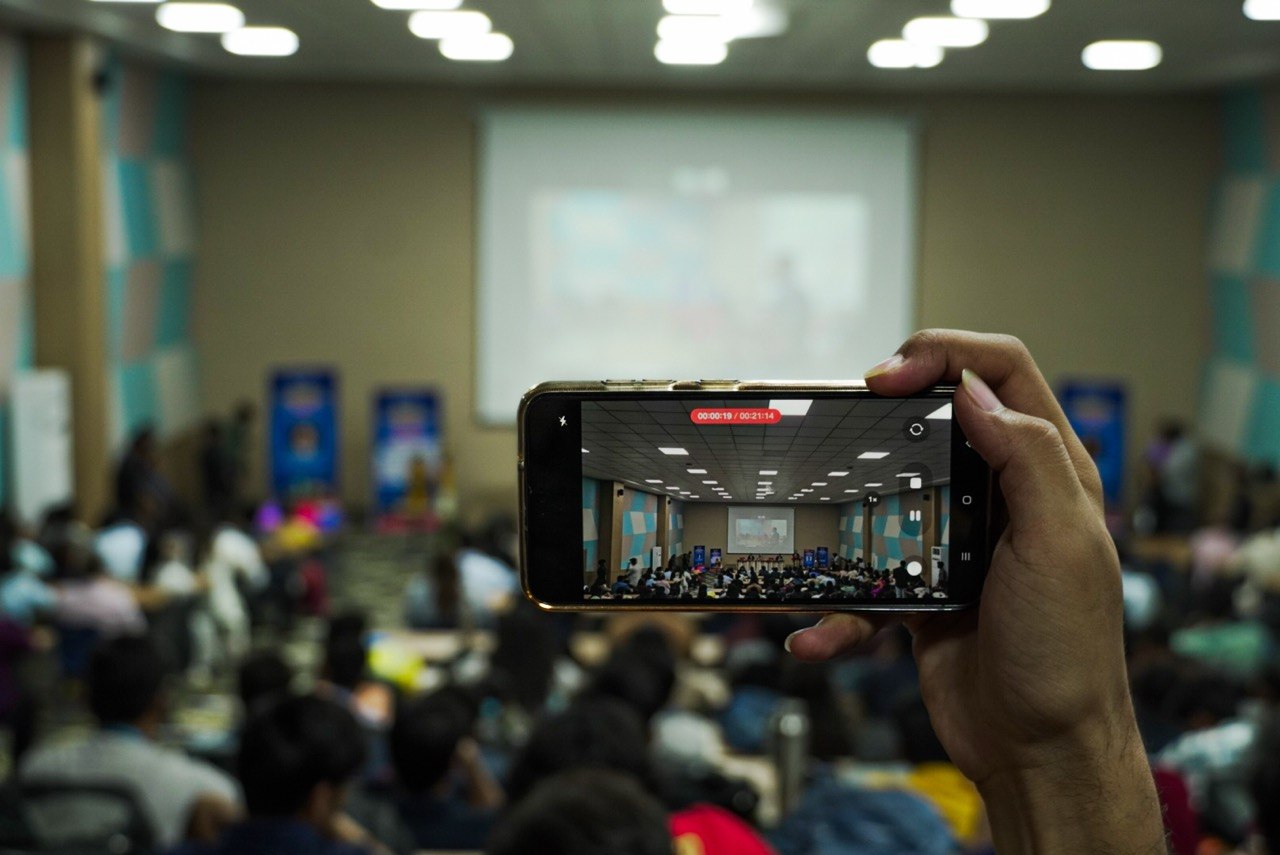
The International Conference on Innovative and Sustainable AI Systems for Research and Education in STEMAL is organised around interdisciplinary thematic tracks reflecting contemporary research trends, pedagogical innovation, and societal relevance. The tracks encourage original research, conceptual papers, empirical studies, and practice-based contributions across Science, Technology, Engineering, Mathematics, and Applied Linguistics (STEMAL).
Topics include Artificial Intelligence (AI), Machine Learning, Deep Learning, Data Science, Intelligent Systems, Explainable AI, Sustainable AI Architectures, Predictive Analytics, Intelligent Automation, Edge AI, Distributed AI Systems, and AI-driven Interactive and Immersive Computing Frameworks, with applications across interdisciplinary STEMAL domains.
Focuses on Intelligent Learning Systems, Learning Analytics, Educational Data Mining, AI-assisted Assessment Technologies, Adaptive and Personalized Learning Systems, AI Literacy, and AI-supported Immersive and Gamified Learning Environments (including AR/VR/XR). The track particularly encourages computational, analytical, modelling-driven, and system-oriented approaches to AI-enabled educational ecosystems, including intelligent tutoring systems, educational recommendation systems, and human-AI interaction in learning environments.
Covers Computational Linguistics, Natural Language Processing (NLP), Speech and Language Technologies, Conversational AI, Large Language Models (LLMs), Multilingual AI Systems, AI-supported Language Learning, Intelligent Communication Systems, Language Modelling, Computational Discourse Analysis, and Technology-enhanced and Immersive Language Learning Environments.
Emphasises the role of Mathematics, Statistics, and Foundational Sciences in AI Modelling, Computational Simulation, Data Interpretation, Optimization Algorithms, Statistical and Probabilistic Learning, Numerical Methods, Scientific Computing, and Theoretical Foundations for Intelligent Systems across interdisciplinary research domains.
Addresses AI applications in Healthcare Systems, Biomedical Signal Processing, Diagnostics, Health Informatics, Medical Imaging, Intelligent Clinical Decision-support Systems, Computational Healthcare Analytics, and Simulation- and VR-supported Medical Training and Healthcare Environments, with a focus on sustainable, trustworthy, and ethically responsible AI practices.
Explores AI-enabled Research Analytics, Knowledge Systems, Scientometrics, Knowledge Graphs, Automated Knowledge Extraction, Scholarly Communication Systems, Information Retrieval, AI-assisted Scientific Writing Tools, Digital Research Ecosystems, and Intelligent Decision-support Systems for research, innovation, and organizational knowledge management. The track encourages computational and data-driven approaches to AI-supported research infrastructures and scholarly ecosystems.
Examines Explainable AI (XAI), Responsible Machine Learning, AI Governance, Ethical and Sustainable AI Systems, Fairness and Bias Mitigation, AI Policy Frameworks, Human-centered AI, AI Risk Assessment, Robust and Transparent AI Systems, Digital Well-being, and Societal Implications of AI-driven Intelligent Technologies in research, education, healthcare, and professional practice.
Provides a dedicated forum for PhD scholars and early-career researchers to present ongoing doctoral work, receive expert mentorship, and engage in critical scholarly dialogue. Submissions should clearly present the research problem, theoretical framework, methodology, preliminary findings, and anticipated contributions in AI, intelligent systems, computational modelling, and interdisciplinary AI-related domains. The colloquium welcomes computationally grounded and work-in-progress research from across STEMAL disciplines and emerging AI application areas.
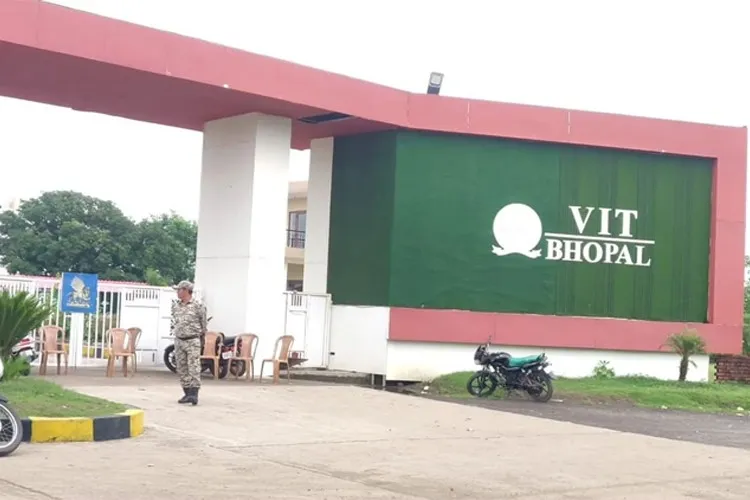
VIT Bhopal University is committed to advancing AI-enabled education, interdisciplinary research, and sustainable innovation across Science, Technology, Engineering, Mathematics, and Applied Linguistics (STEMAL).
Through technology-driven pedagogy, ethical AI adoption, and research-led learning, the University fosters academic excellence, global collaboration, and societal impact—making it an ideal host for the International Conference on Innovative and Sustainable AI Systems for Research and Education in STEMAL.
The School of Advanced Sciences and Languages (SASL) at VIT Bhopal University promotes interdisciplinary learning and research by integrating advanced sciences, humanities, and language studies with engineering and emerging technologies. The School offers programmes in Mathematics, Physics, Chemistry, English, and Humanities, supported by technology-enabled, student-centred pedagogy (CALTech) and advanced laboratories and studios.
SASL actively contributes to teaching-learning innovation and research-informed pedagogy across core disciplines such as Mathematics, Physics, Chemistry, English, and Applied Linguistics, with a strong emphasis on learner-centred instruction, interdisciplinary engagement, and societal outreach, thereby reinforcing the conference's STEMAL vision.
SASL leads the Applied Linguistics and Mathematics–anchored interdisciplinary tracks, contributing expertise in learner-centred pedagogy, language and communication studies, and the integration of foundational sciences with innovative educational practices, aligned with the conference's STEMAL vision.
The School of Computing Science and Engineering (SCOPE) at VIT Bhopal University is a dynamic centre for education and research in computing, digital technologies, and interactive media. The School offers undergraduate, postgraduate, and doctoral programmes in Computer Science, Gaming Technology, and Education Technology, supported by experiential learning models, CALTech practices, and industry-aligned curricula.
With a strong focus on Artificial Intelligence, data analytics, cybersecurity, and emerging computing technologies, SCOPE drives innovation through close industry, government, and academic collaborations, aligning strongly with the conference's emphasis on ethical and sustainable AI.
SCOPE oversees the AI, computing, data science, and technology innovation tracks, overseeing technical sessions, workshops, and industry-academia interactions related to AI-driven research and education.
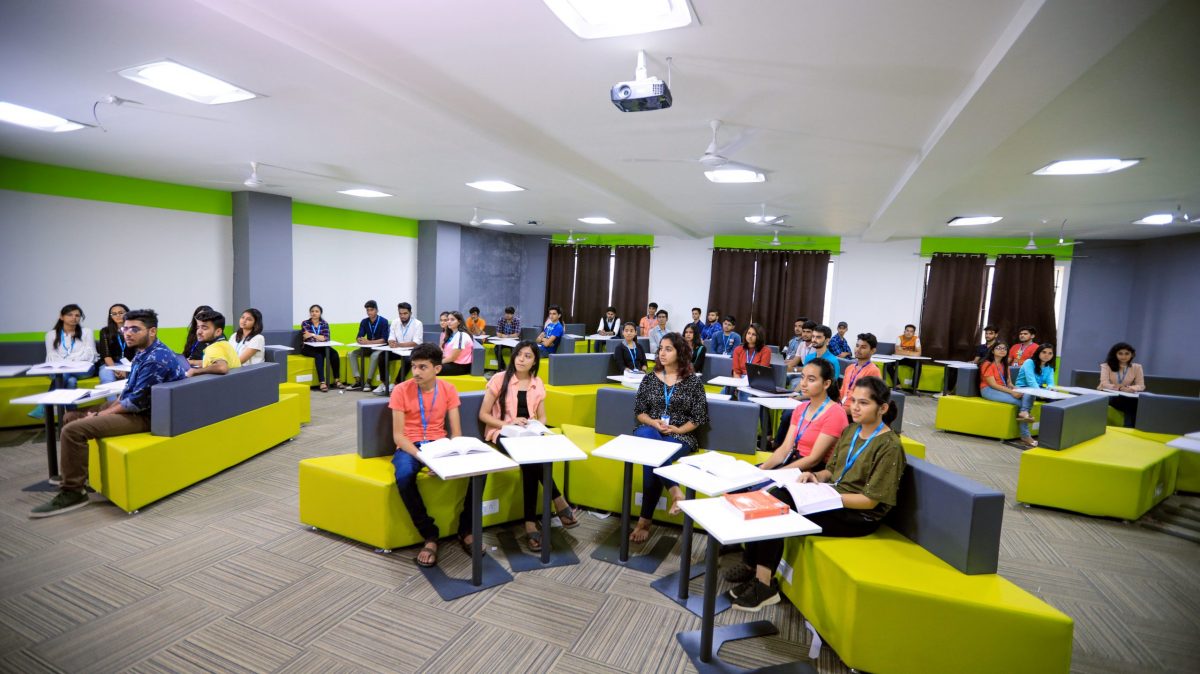
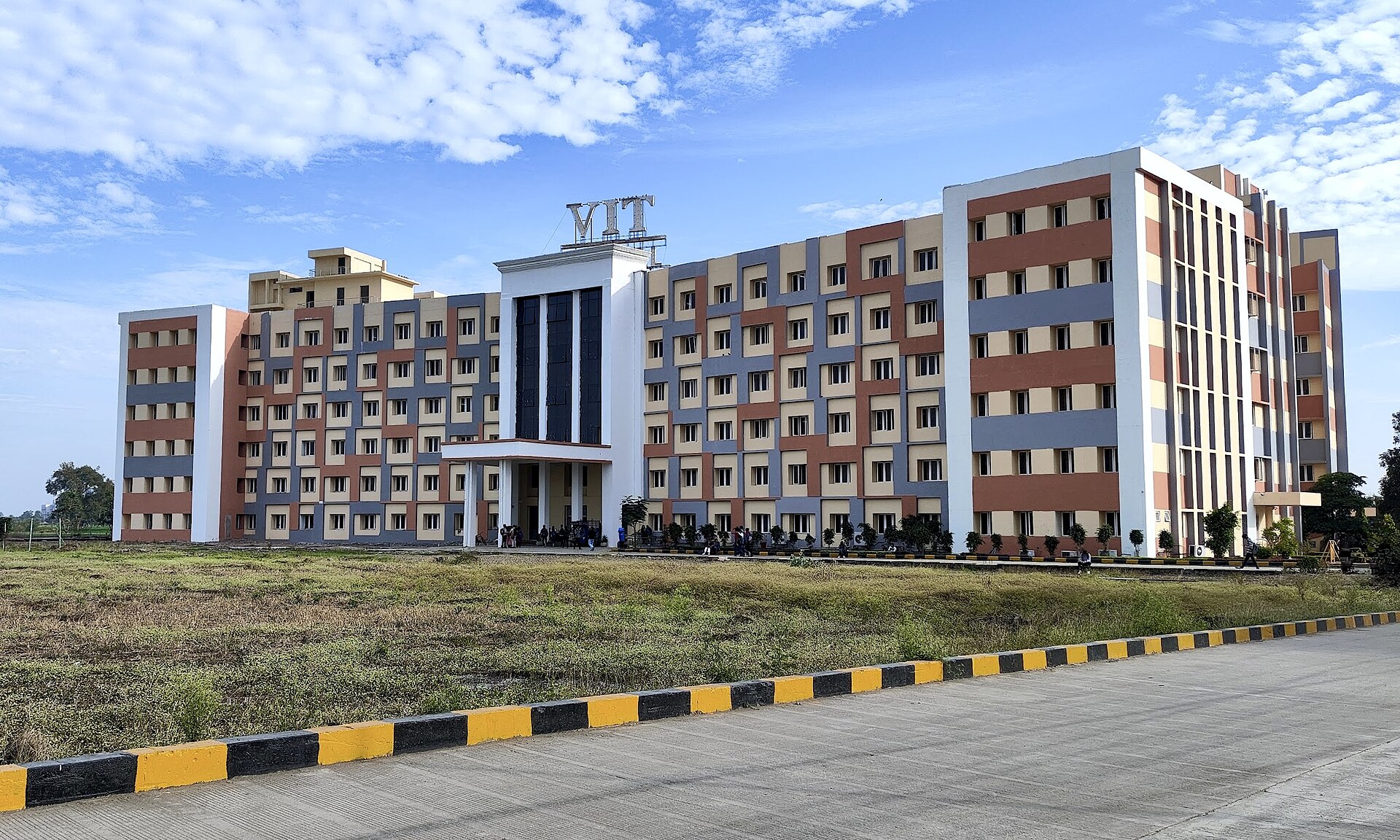
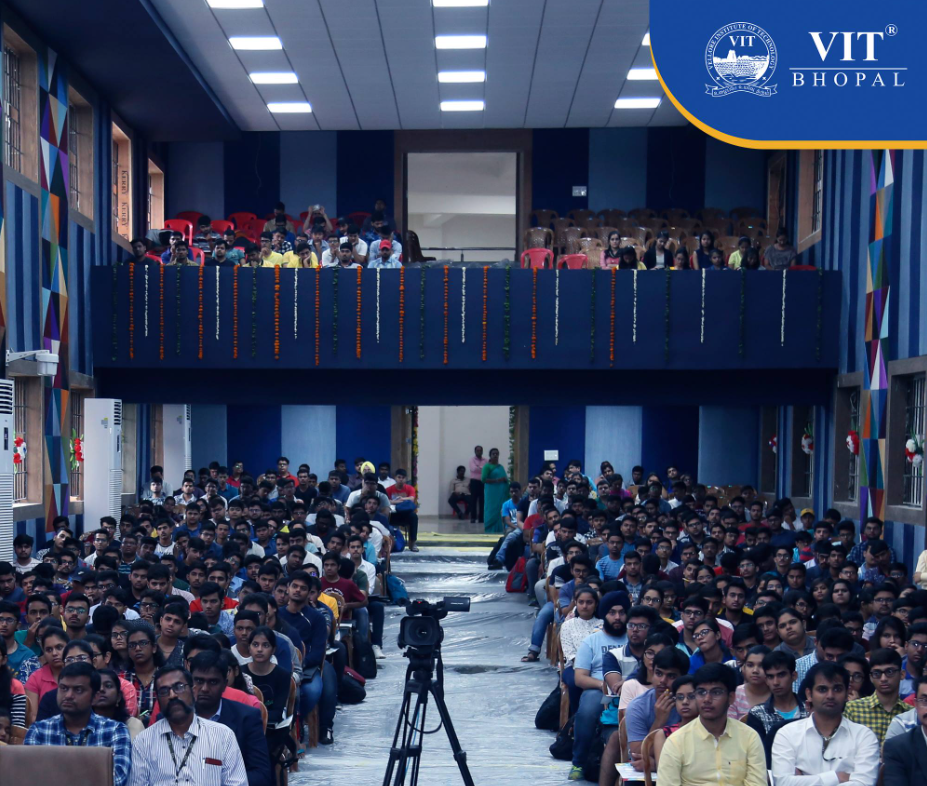
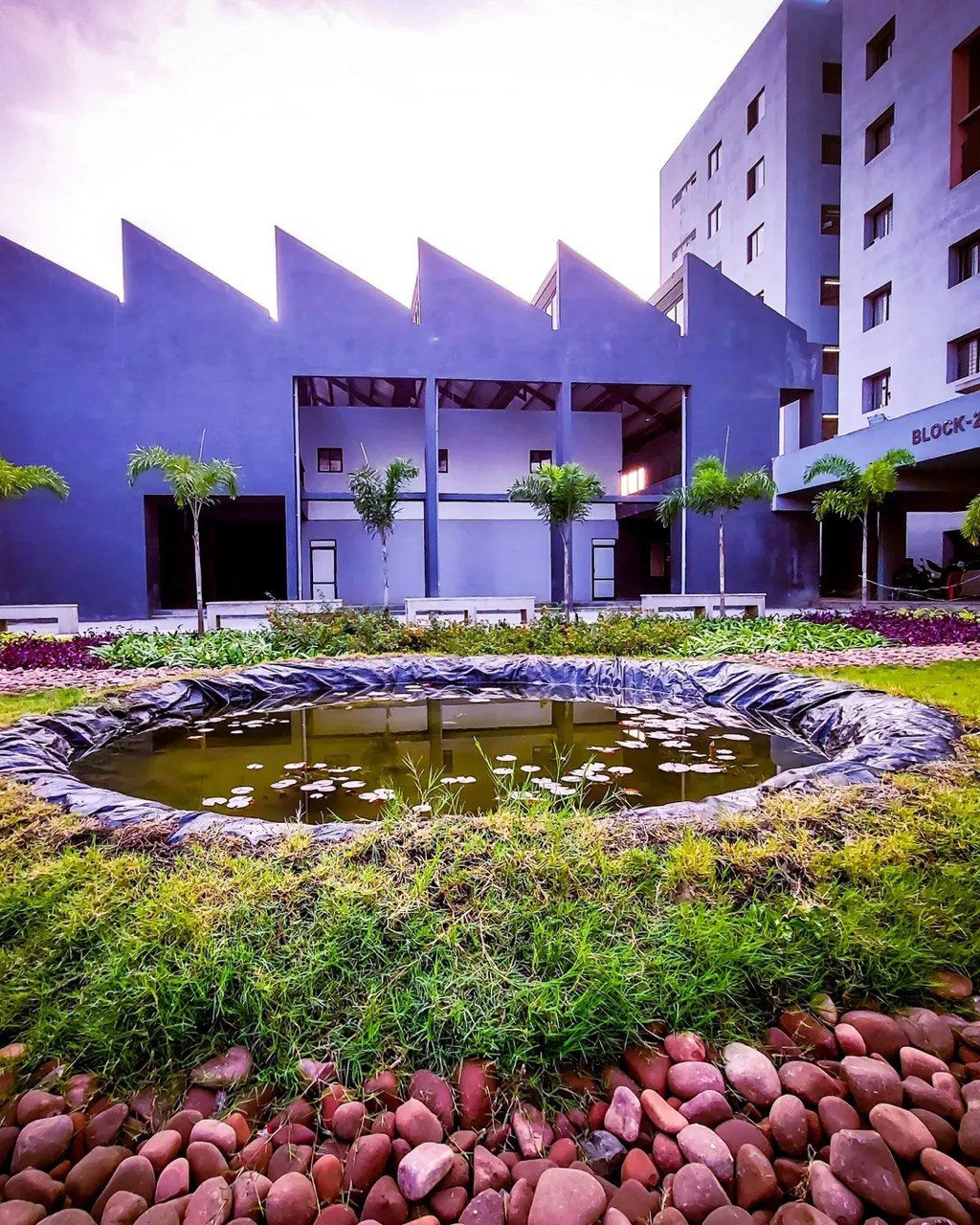
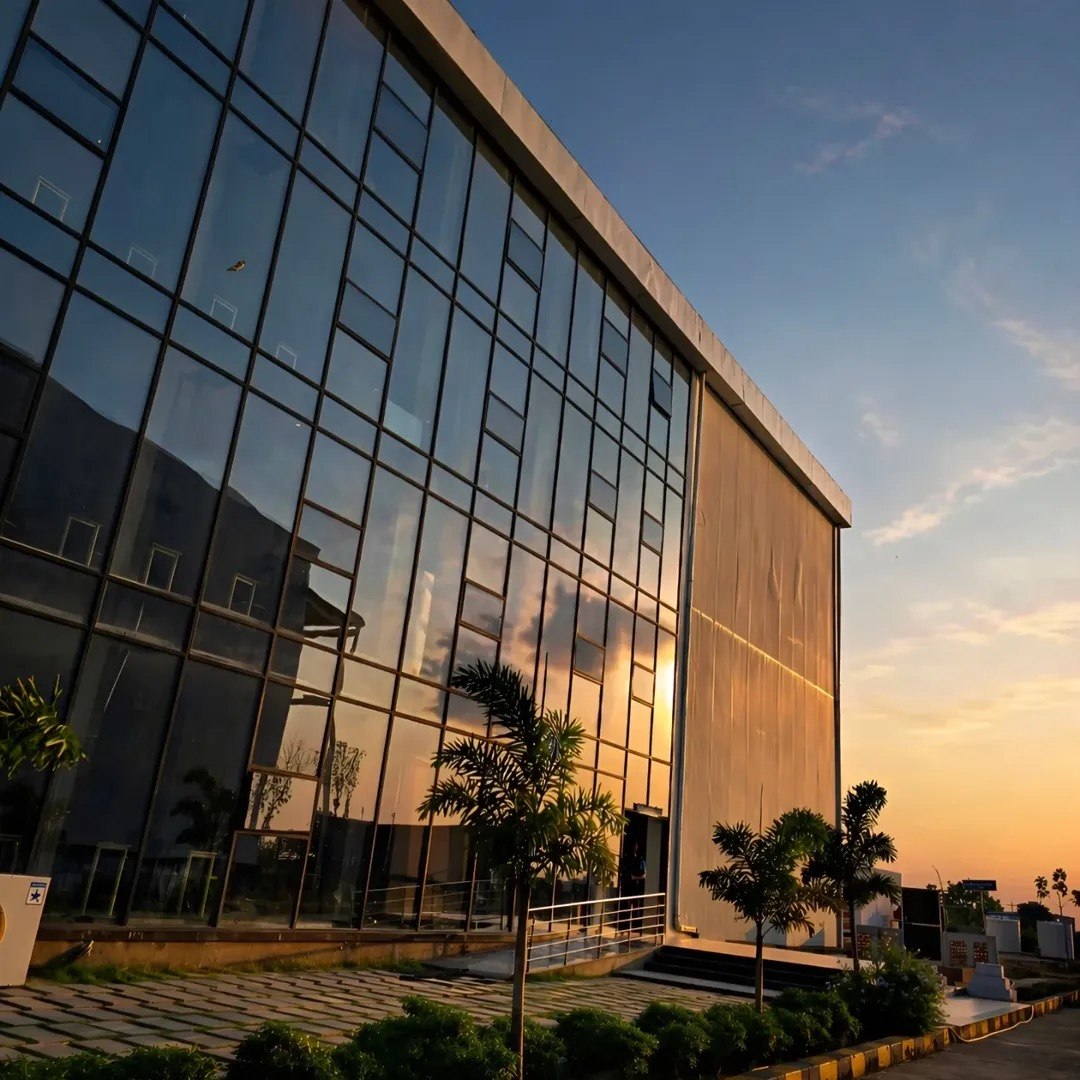
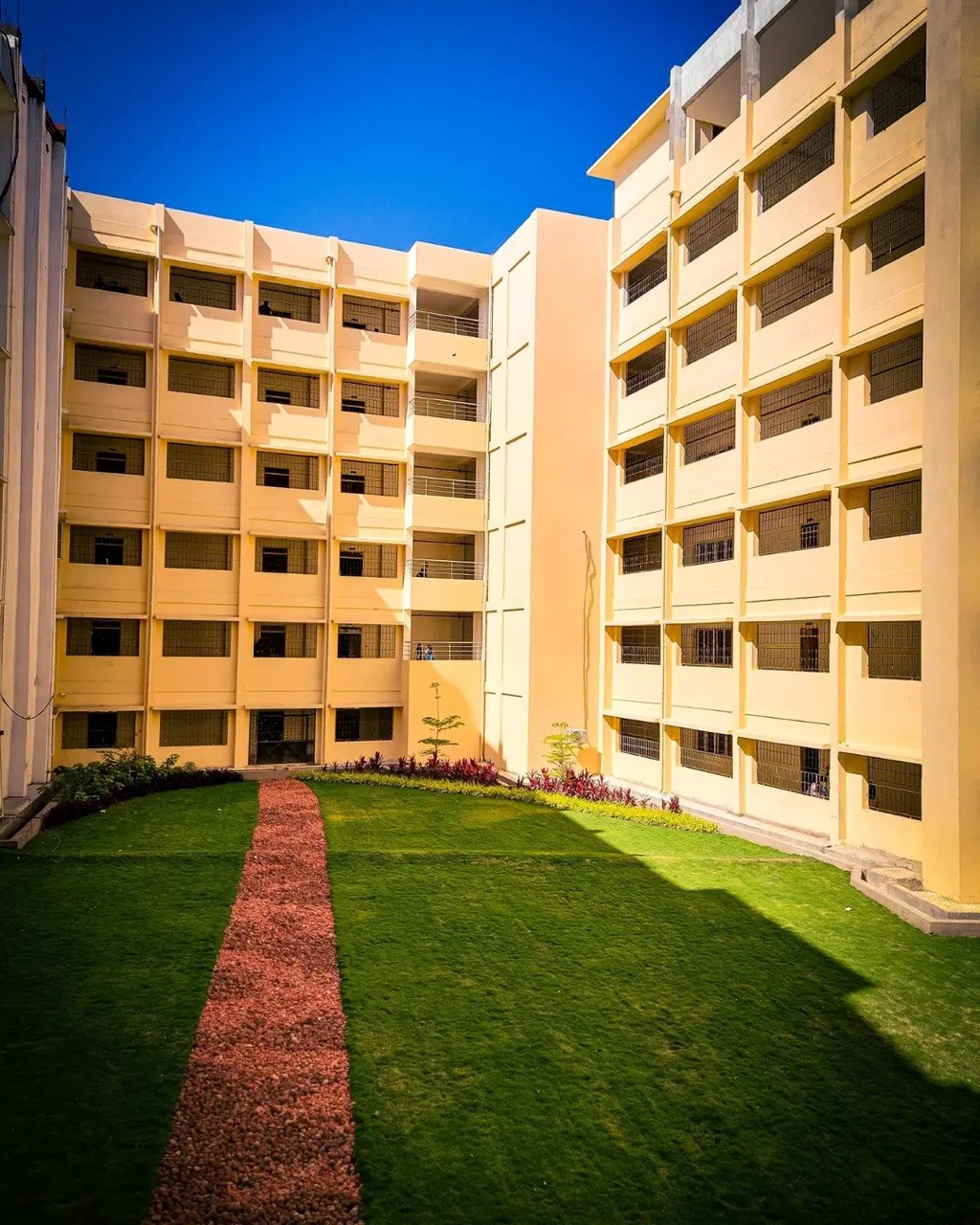
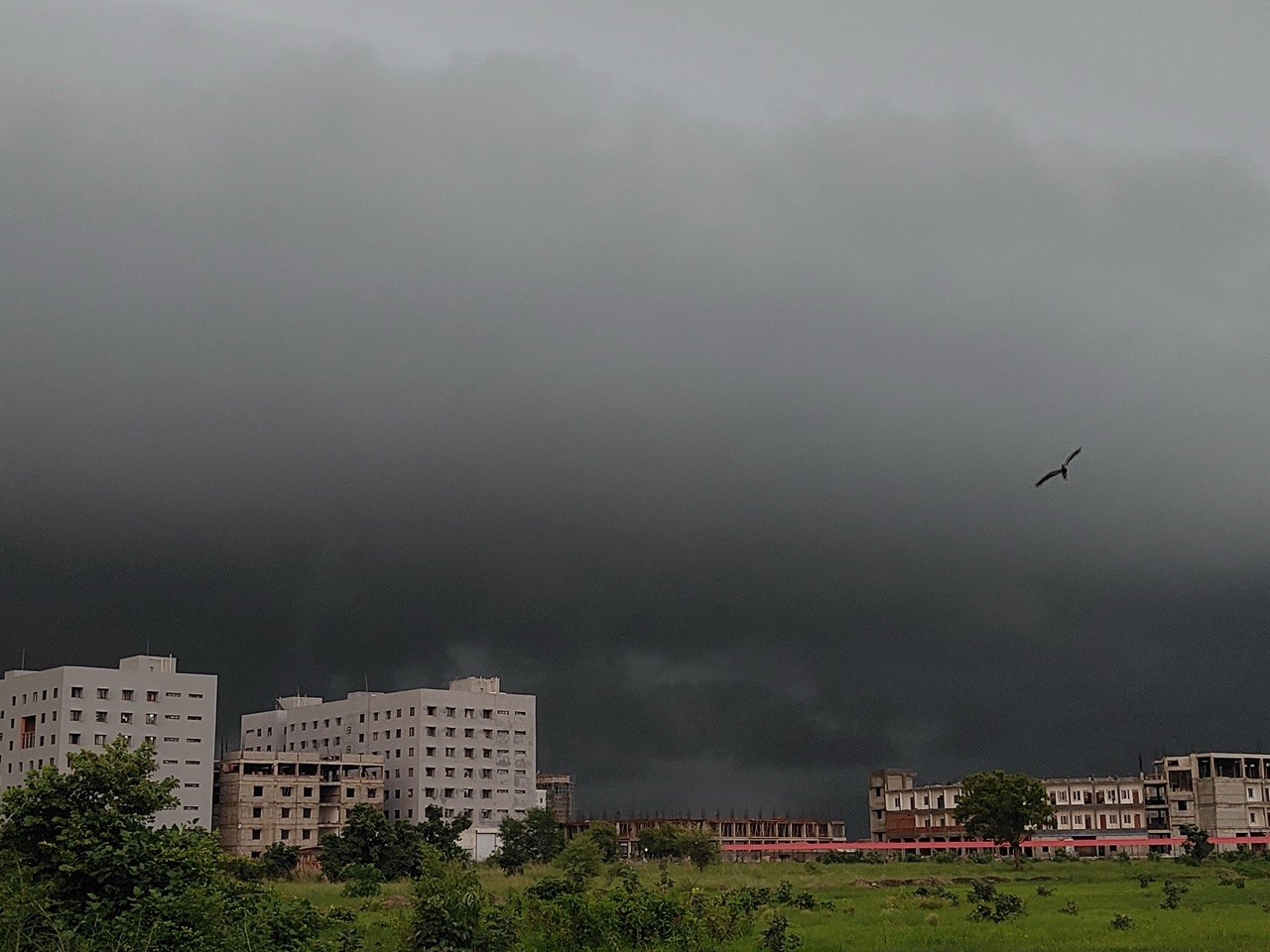
A futuristic campus for next-generation learning.
VIT Bhopal University is committed to advancing AI-enabled education, interdisciplinary research, and sustainable innovation across Science, Technology, Engineering, Mathematics, and Applied Linguistics (STEMAL). Through technology-driven pedagogy, ethical AI adoption, and research-led learning, the University fosters academic excellence, global collaboration, and societal impact—making it an ideal host for the International Conference on Innovative and Sustainable AI Systems for Research and Education in STEMAL.
From ISBT Bus Stand: Use public transport/cab to reach Lalghati Square (approx. 11 kms). VIT Bhopal University campus is approx. 62 kms from Lalghati Square, on Bhopal-Indore highway, 3 kms away from the 2nd Tollplaza. Intercity Volvo A/C buses are available through the day. Book your seats at CharteredBus and VermaTravelsIndia
From Bhopal Railway Station: Use public transport/cab to reach Lalghati Square (approx. 9 kms). VIT Bhopal University campus is approx. 62 kms from Lalghati Square, on Bhopal-Indore highway, 3 kms away from the 2nd Tollplaza. Intercity Volvo A/C buses are available through the day.
From Habibganj Railway Station: Use public transport/cab to reach Lalghati Square (approx. 12 kms). VIT Bhopal University campus is approx. 62 kms from Lalghati Square, on Bhopal-Indore highway, 3 kms away from the 2nd Tollplaza. Intercity Volvo A/C buses are available through the day.
From Bhopal Airport: Use public transport/cab to reach Lalghati Square (approx. 9 kms). VIT Bhopal University campus is approx. 62 kms from Lalghati Square, on Bhopal-Indore highway, 3 kms away from the 2nd Tollplaza. Intercity Volvo A/C buses are available through the day.
From Indore Airport: Use public transport/cab to reach Star square (approx. 15km). VIT Bhopal University campus is approx. 120 kms from Star Square, on Indore-Bhopal highway. Intercity Volvo A/C buses are available through the day.
| Name | Organisation |
|---|---|
| Dr. Jian Ping Li | University of Electronic Science and Technology of China, China |
| Dr. Ghaleb Rababáh | University of Sharjah, UAE |
| Dr. Amir Hussain | Edinburgh Napier University, United Kingdom |
| Dr. Mohammed Mahibur Rahman | Qassim University, Saudi Arabia |
| Dr. Mohammad Rizwan Bhina | National Cheng Kung University, Taiwan |
| Dr. Gaurav Choudhary | Technical University of Denmark, Denmark |
| Dr. Abdul Nadim Khan | King Abdul Aziz University, Saudi Arabia |
| Dr. Mohammad Mansoob Khan | Universiti Brunei Darussalam, Brunei |
| Dr. Bassoma Diallo | University of Botswana, Botswana |
| Dr. Ghufran Ahmad Khan | Shenzhen Polytechnic University, China |
| Dr. Zaid Al-Huda | Chengdu University, China |
| Dr. Riyadh Nazar Ali Algburi | University of Warith Al-Anbiyaa, Iraq |
| Dr. Noorbakhsh Amiri Golilarz | The University of Alabama, USA |
| MD Sohrabuddin | Microsoft, Redmond, USA |
| Dr. Emad Alansary | King Saud University, Saudi Arabia |
| Dr. Mohd Asif Shah | Kardan University, Afghanistan |
| Dr. Ghanshyam Tejani | Yuan Ze University, Taiwan |
| Dr. B. Sundaravadivazhagan | University of Technology and Applied Sciences-AL Mussanah, Oman |
| Dr. Oday Ali Hassan | University of Wasit, Iraq |
| Dr. Bashar M. Nema | Mustansiriyah University, Iraq |
| Name | Organisation |
|---|---|
| Dr. M. Tanveer | IIT Indore, India |
| Dr. Rajesh Kumar | IIT Madras, India |
| Dr. M. N. Doja | IIIT Sonepat, India |
| Dr. Ashish Ghosh | IIIT Bhubaneswar, India |
| Dr. Tanvir Ahmad | Jamia Millia Islamia, India |
| Dr. Yahya Abbasi | Jamia Millia Islamia, India |
| Dr. Haroon Ashfaque | Jamia Millia Islamia, India |
| Dr. Mansaf Alam | Jamia Millia Islamia, India |
| Dr. Bashir Alam | Jamia Millia Islamia, India |
| Dr. S. Imtiaz Hasnain | Aligarh Muslim University, India |
| Dr. (Retd.) Mohammad Imdad | Aligarh Muslim University, India |
| Dr. Manoj Kumar Patel | NIT Nagaland, India |
| Dr. Anupama Sharma | Maulana Azad National Institute of Technology, India |
| Dr. K. K. Dhote | Maulana Azad National Institute of Technology, India |
| Dr. M. S. Chauhan | Maulana Azad National Institute of Technology, India |
| Dr. Muhammad Abulaish | South Asian University, India |
| Dr. T. N. Nagabhushana | Kishkinda University, India |
| Dr. Sanjay J. Dhoble | Rashtrasant Tukadoji Maharaj Nagpur University, India |
| Dr. Vishal Bhatnagar | Netaji Subhas University of Technology (East Campus), India |
| Dr. Om Parkash Sangwan | Guru Jambheshwar University of Science and Technology, India |
| Dr. Kishore Pawar | Kavayitri Bahinabai Chaudhary North Maharashtra University, India |
| Madhurima Maniyara (Ms) | Indian Digital Gaming Society, Confederation of Indian Industry |
| Name | Organisation |
|---|---|
| Dr. Dara Tafazoli | La Trobe University, Australia |
| Dr. Usman Naseem | Macquarie University, Australia |
| Dr. Chandni Saxena | Chinese University of Hong Kong, Hong Kong |
| Dr. Ahmad Kamal | Jamia Millia Islamia, India |
| Dr. Ahsan Mahboob | SR University, India |
| Dr. Amit Prakash Singh | Guru Gobind Singh Indraprastha University, India |
| Dr. Anita Sahoo | Jaypee Institute of Information Technology, India |
| Dr. Asif Khan | Aligarh Muslim University, India |
| Dr. Bhupendra Parashar | JSS Academy of Technical Education, India |
| Dr. Chanchal Kumar | Indian Institute of Information Technology, India |
| Dr. Charu Gupta | Bhagwan Parshuram Institute of Technology, Delhi, India |
| Dr. Dhiraj Pandey | JSS University, India |
| Dr. Faisal Rasheed Lone | UPES, India |
| Dr. Inzamul Sarkar | VIT-AP University, India |
| Dr. Ishtak Ahmad | Aligarh Muslim University, India |
| Dr. Kiran Pandey | Technocrats Institute of Technology, India |
| Dr. Mahboob Zahid | Central University of Rajasthan (CURAJ), India |
| Dr. Mohit Kumar | GLA University, India |
| Dr. Mohammad Salahuddin Khan | Aligarh Muslim University, India |
| Dr. Muzibur Rehman Mozumder | Aligarh Muslim University, India |
| Dr. N. Tawfeeq Alee | GITAM (Deemed-to-be) University, India |
| Dr. Nadeem Akhtar | Aligarh Muslim University, India |
| Dr. Neha Chaudhary | Manipal University, India |
| Dr. P. Nagaraj | SRM Institute of Science & Technology (SRMIST), India |
| Dr. Parmeet Kaur | Bennett University, India |
| Dr. Parwinder Singh | Deenbandhu Chhotu Ram University of Science and Technology, India |
| Dr. Pradeep Chouksey | Central University of Himachal Pradesh, India |
| Dr. Pradeep Kumar Singh | Central University of Jammu, India |
| Dr. Pratibha Singh | Krishna Institute of Engineering and Technology, India |
| Dr. Priyanka Tripathi | Indian Institute of Technology Patna, India |
| Dr. Rajat Vaish | Amity University, India |
| Dr. Raveena Toppo | National Institute of Technology Jalandhar, India |
| Dr. Santosh Mahapatra | Birla Institute of Technology & Science Pilani, India |
| Dr. S M Fatah Uddin | Birla Institute of Management Technology, India |
| Dr. Satyabrata Roy | Manipal University Jaipur, India |
| Dr. Sayed Mohammad Zeeshan | GITAM University, India |
| Dr. Seema Shukla | Sharda University, India |
| Dr. Shahab Saquib Sohail | Jamia Hamdard, India |
| Dr. Sunita Tiwari | G.B. Pant Delhi Skill and Entrepreneurship University, India |
| Dr. Sweta Sinha | Indian Institute of Technology Patna, India |
| Dr. Vijay Bhaskar Semwal | Maulana Azad National Institute of Technology, India |
| Dr. Vineeta Khemchandani | Galgotias University, India |
| Dr. Waqar Ahmad | Indian Institute of Information Technology, India |
| Dr. Ehsan Namaziandost | Islamic Azad University of Ahvaz, Iran |
| Dr. Dag Øivind Madsen | University of South-Eastern Norway, Norway |
| Dr. Philip Virgil Astillo | University of San Carlos, Philippines |
| Dr. Jamal Kaid Mohammed Ali | University of Bisha, Saudi Arabia |
| Dr. Majed Abdullah Alharbi | Majmaah University, Saudi Arabia |
| Dr. Saleh Mosleh Alharthi | Majmaah University, Saudi Arabia |
| Dr. Megha Bhushan | University of Seville, Spain |
| Dr. Archana Shrivastava | Birla Institute of Management Technology, India |
| Dr. Chiat Abdiglu | Fatih Sultan Mehmet Vakıf University, Turkey |
| Dr. Bhavana Prakash Shrivastava | Maulana Azad National Institute of Technology, India |
| Name | Affiliation |
|---|---|
| Dr. Zaheer Kareem Ansari | VIT Bhopal University, India |
| Dr. Murgeswari K. | VIT Bhopal University, India |
| Dr. Anand Motwani | VIT Bhopal University, India |
| Dr. Ashok Patel | VIT Bhopal University, India |
| Dr. Ramraj Dangi | VIT Bhopal University, India |
| Dr. Ajay Sharma | VIT Bhopal University, India |
| Dr. K. R. Sivabalan | VIT Bhopal University, India |
| Dr. Praveen Kumar Tyagi | VIT Bhopal University, India |
| Dr. Sharmila Joseph | VIT Bhopal University, India |
| Dr. Dip Mukharjee | VIT Bhopal University, India |
| Dr. Abdur Rahman | VIT Bhopal University, India |
| Dr. Ankit Pal | VIT Bhopal University, India |
| Dr. M. Priyakumaran | VIT Bhopal University, India |
| Dr. Jalaluddin Khan | VIT Bhopal University, India |
| Dr. Mostaid Ahmad | VIT Bhopal University, India |
| Dr. Gobinda Ghosh | VIT Bhopal University, India |
| Dr. Salman Zaheer | VIT Bhopal University, India |
| Dr. Chandrama Swain | VIT Bhopal University, India |
| Dr. Gargi Roy | VIT Bhopal University, India |
| Dr. Debraj Gogoi | VIT Bhopal University, India |
| Name | Affiliation |
|---|---|
| Mr. Vikash Baibhav (BTech) | VIT Bhopal University, India |
| Ms. Amritha Krishna T S (BTech) | VIT Bhopal University, India |
| Ms. Nehal Sonal (BTech) | VIT Bhopal University, India |
The EasyChair submission link will be activated here shortly.
Coming SoonRegistration fees and payment links will be updated here soon.
Coming SoonINSPIRE-STEMAL-2027 is proud to be supported by leading industry and academic institutions committed to advancing AI, research, and education.
Industry Partner for INSPIRE-STEMAL-2027
Maulana Azad National Institute of Technology, Bhopal, India
Interested in sponsoring or partnering with INSPIRE-STEMAL-2027? Reach out to us for sponsorship packages and partnership opportunities.
Contact for PartnershipTo recognise outstanding scholarly contributions and encourage high-quality research, INSPIRE 2026 will present the following awards:
Across Thematic Tracks
Presented to the most outstanding full paper across all conference tracks based on originality, methodological rigour, innovation, relevance, and overall scholarly contribution.
Awarded to the most impactful and visually effective poster presentation demonstrating clarity, innovation, research significance, and audience engagement.
Presented to an exceptional doctoral research contribution showcased in the Doctoral Colloquium track, recognising originality, research potential, and academic merit.
Information on university guest houses and partner hotels.